"Eat your carrots, they're good for your eyes" is one of those phrases that gets repeated so often it starts to feel like fact. The reality is more nuanced: nutrition plays a genuine role in overall wellness, including eye wellness, but it isn't a magic switch — and no single food or nutrient prevents or treats eye disease on its own.
This article looks at how nutrition fits into eye health honestly, without overpromising what diet or supplements can do.
Why nutrition is part of the conversation at all
The eyes, like every other part of the body, rely on a steady supply of nutrients to function. A varied, nutrient-rich diet supports overall health, and overall health is connected to how our eyes feel day to day — whether that's resilience to fatigue, general comfort, or simply feeling like you're taking care of yourself.
Busy schedules can make a genuinely varied diet difficult to maintain every single day. That's the practical reality that leads many people to consider a nutritional supplement as a convenient way to round out their diet — not as a substitute for eating well.
Categories of nutrients commonly discussed in eye wellness
Several nutrient categories show up repeatedly in eye-wellness conversations. It's worth understanding what they are in general terms, separate from any specific product claim:
- Carotenoids — plant pigments like lutein and zeaxanthin, discussed in more detail in our article on lutein and zeaxanthin
- Vitamin C — an antioxidant nutrient found in many fruits, including acerola, and commonly included in nutrition-focused formulas
- Vitamin B6 — involved in numerous processes throughout the body
- Protein and collagen-based ingredients — increasingly featured in wellness formulas, including collagen peptide blends
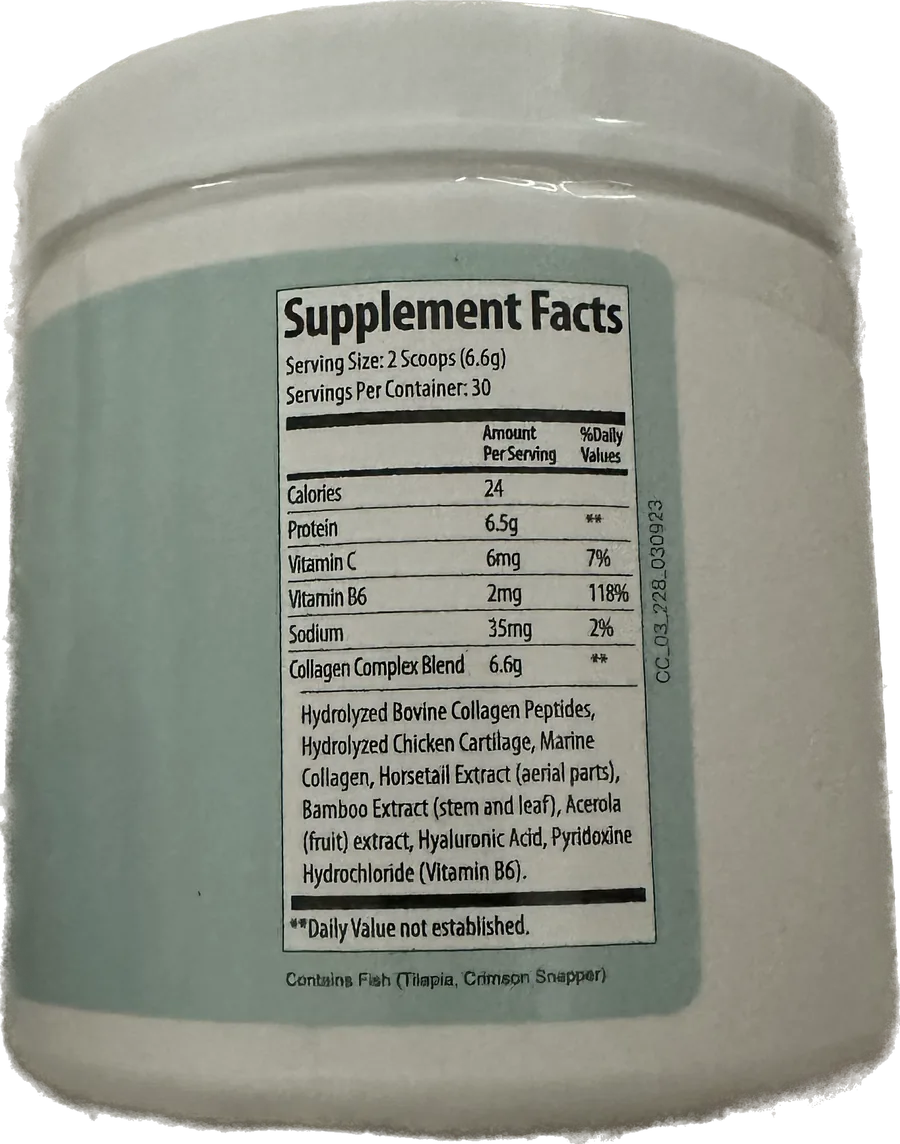
Not every product includes every category — formulas vary. Sightagen's current formula, for example, is built around a collagen complex blend along with vitamin C and vitamin B6, rather than carotenoids. You can see the exact ingredients and amounts on the current label via our Sightagen ingredients page.
What nutrition can't do
It's important to be direct about this: nutrition, whether through food or supplements, is not a treatment for eye disease, and no supplement — including Sightagen — should be understood as a guaranteed way to prevent or reverse vision problems. If you notice changes in your vision, the right first step is a conversation with an optometrist or ophthalmologist, not a change in diet alone.
A useful mental model: think of nutrition as one supporting pillar among several — alongside screen habits, physical activity, and professional eye care — rather than the whole structure on its own.
Making nutrition sustainable, not stressful
The most sustainable approach to nutrition is rarely the most extreme one. Small, repeatable habits — a colorful plate most days, a consistent supplement routine if that fits your lifestyle, staying hydrated — tend to outperform short bursts of strict dietary change that are hard to maintain.
If you're curious how a nutrition-focused supplement like Sightagen fits into that bigger picture, our overview of Sightagen and everyday eye wellness walks through how it's positioned, and our reviews page covers pros and considerations in more detail.
The takeaway
Nutrition matters, but it's one piece of a larger picture that includes screen habits, activity, sleep, and professional eye care. Approaching it with realistic expectations — rather than looking for a single "cure food" — tends to be both more accurate and more sustainable.